
252 Articles
Grid
List
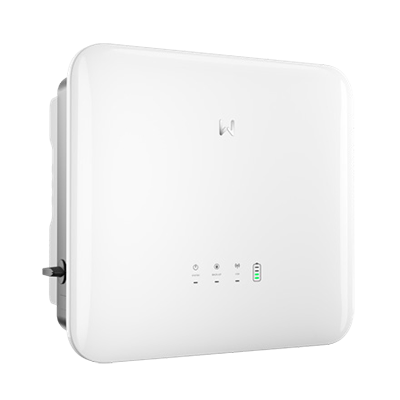
GoodWe
6661159
GW9900-ET-20 G2
hybrid, 9.99kW, 3MPPT, 3ph, 380V, 400V AC, 50/60Hz| AC nominal power (kW): | 9.99 |
|---|---|
| Number of independent MPPT (pcs): | 3 |
| Feed-in phases: | 3 |
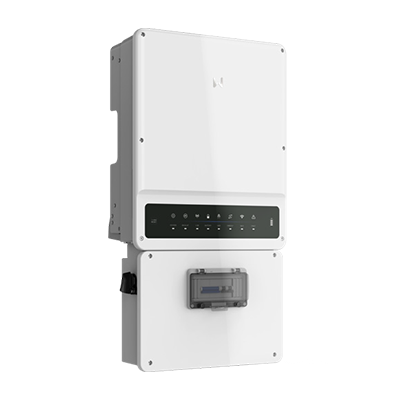
GoodWe
6660654
GW9.99K-EHB-AU-G11
Hybrid, 4MPPT, 1ph, SPD II, DC Sw, RS485/WiFi| AC nominal power (kW): | 9.99 |
|---|---|
| Number of independent MPPT (pcs): | 4 |
| Feed-in phases: | 1 |
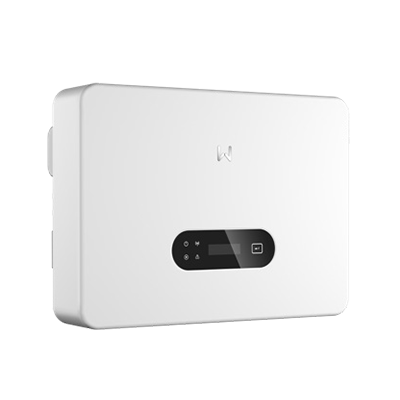
GoodWe
6665048
GW10K-MS-G40
MS G4| AC nominal power (kW): | 10.00 |
|---|---|
| Number of independent MPPT (pcs): | 3 |
| Feed-in phases: | 1 |
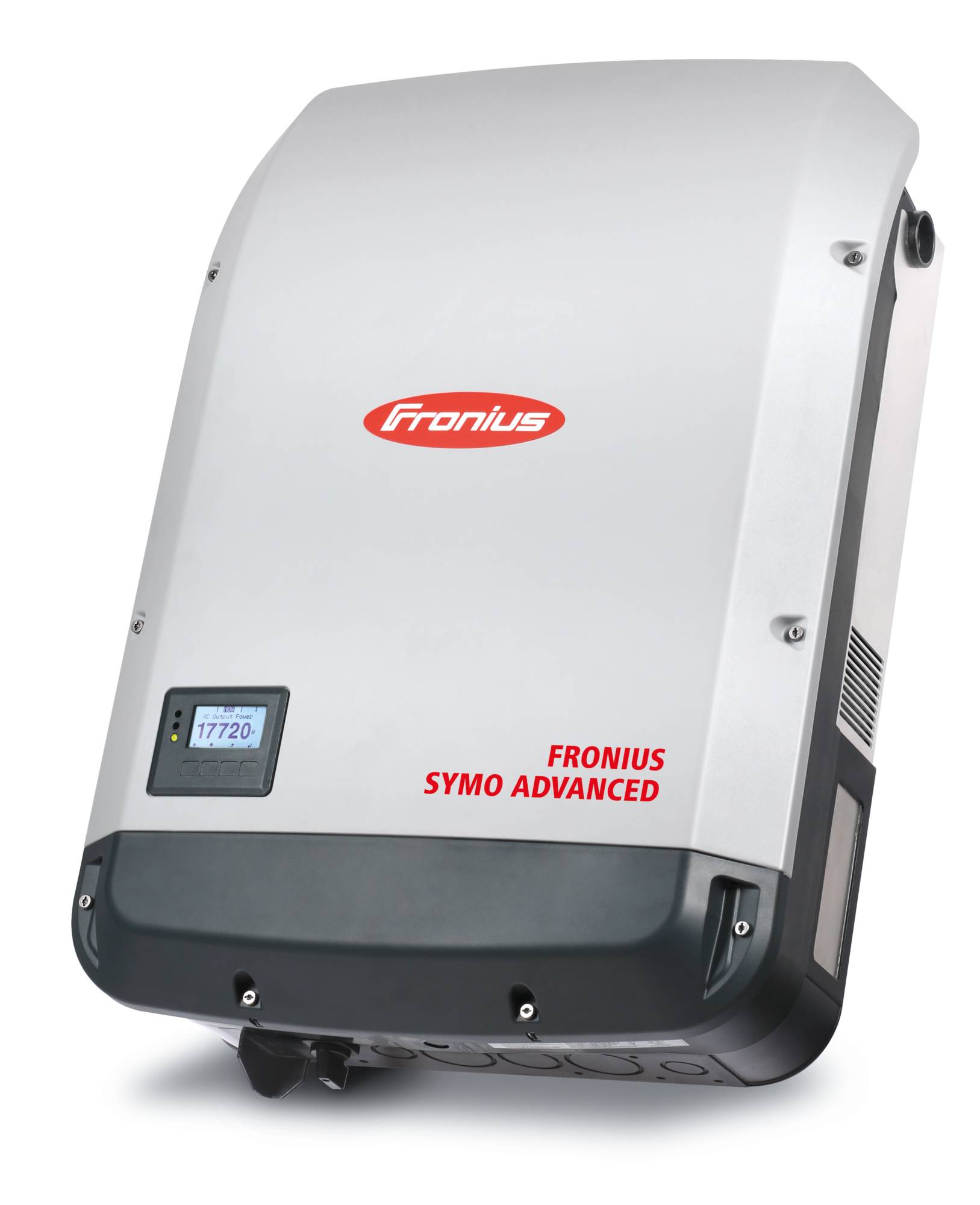
Fronius
6652861
SYMO Advanced 10.0-3-M
-| AC nominal power (kW): | 10.00 |
|---|---|
| Number of independent MPPT (pcs): | 2 |
| Feed-in phases: | 3 |
GoodWe
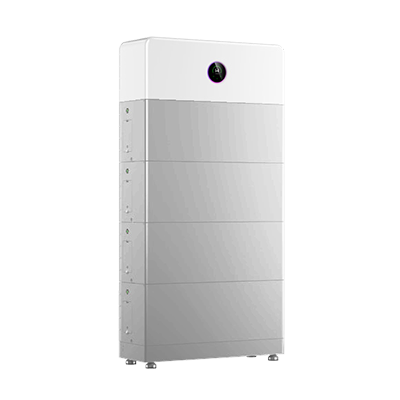
6662831
GW9.999K-EHA-G20 ESA Series
Hybrid Inv, 4 MPPT, 1P, Sand| AC nominal power (kW): | 10.00 |
|---|---|
| Number of independent MPPT (pcs): | 4 |
| Feed-in phases: | 1 |
SolarEdge
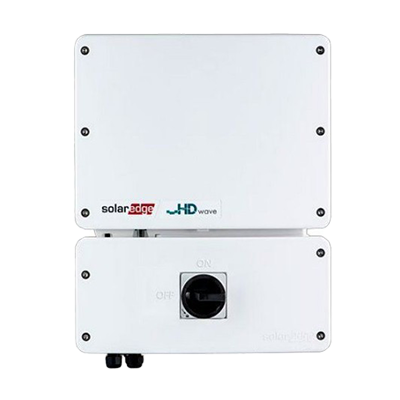
6660664
GoodWe
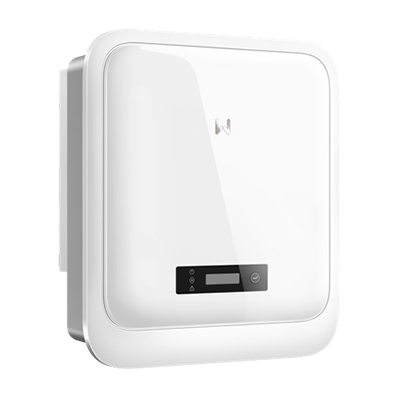
6660680
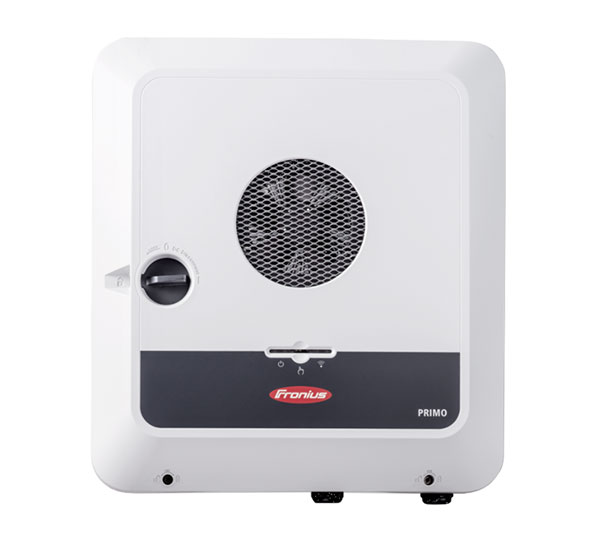
Fronius
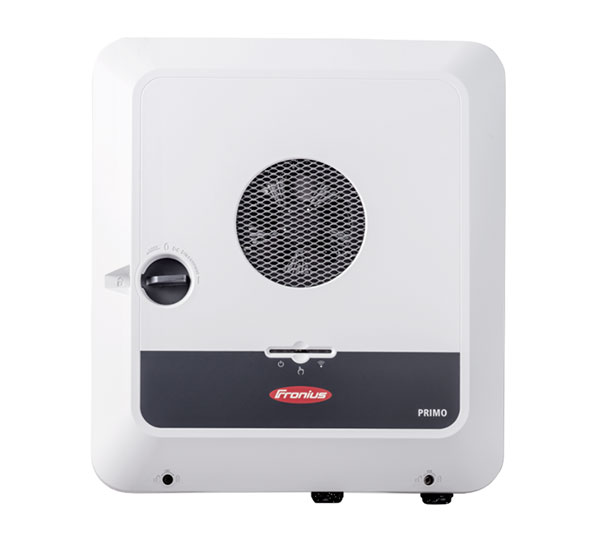
6656143
PRIMO GEN24 10.0 Plus
Hybrid inverter, 2 MPPT, 1-phase| AC nominal power (kW): | 10.00 |
|---|---|
| Number of independent MPPT (pcs): | 2 |
| Feed-in phases: | 1 |
Fronius
6656142
PRIMO GEN24 10.0
PV inverter, 2 MPPT, 1-phase, battery optional| AC nominal power (kW): | 10.00 |
|---|---|
| Number of independent MPPT (pcs): | 2 |
| Feed-in phases: | 1 |
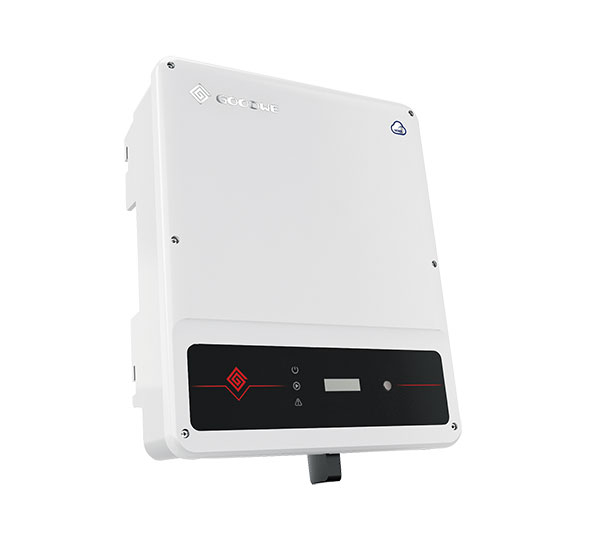
GoodWe
6649996
GW10KAU-DT
three-phase string inverter with DC switch| AC nominal power (kW): | 10.00 |
|---|---|
| Number of independent MPPT (pcs): | 2 |
| Feed-in phases: | 3 |
GoodWe
6663502
GW GW12K-ETA-G20
Hybrid Inverter, 4 MPPT, 3‑phase, All‑in‑One| AC nominal power (kW): | 12.00 |
|---|---|
| Number of independent MPPT (pcs): | 4 |
| Feed-in phases: | 3 |

Sigenergy
6660712
Sigen Energy Controller 12.0kW SP AU
Hybrid Inverter, 4MPPT, 1ph, (Updated AC Plug)| AC nominal power (kW): | 12.00 |
|---|---|
| Number of independent MPPT (pcs): | 4 |
| Feed-in phases: | 1 |
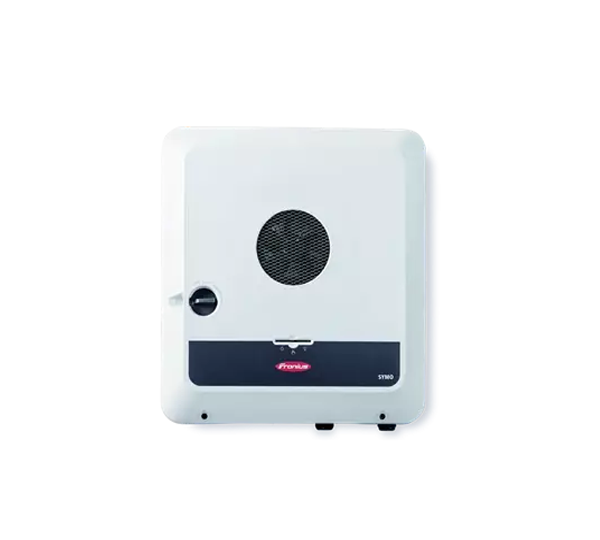
Fronius
6656754
SYMO GEN24 12.0 SC
PV-WR, 2 MPPT, 3-phase, battery optional| AC nominal power (kW): | 12.00 |
|---|---|
| Number of independent MPPT (pcs): | 2 |
| Feed-in phases: | 3 |
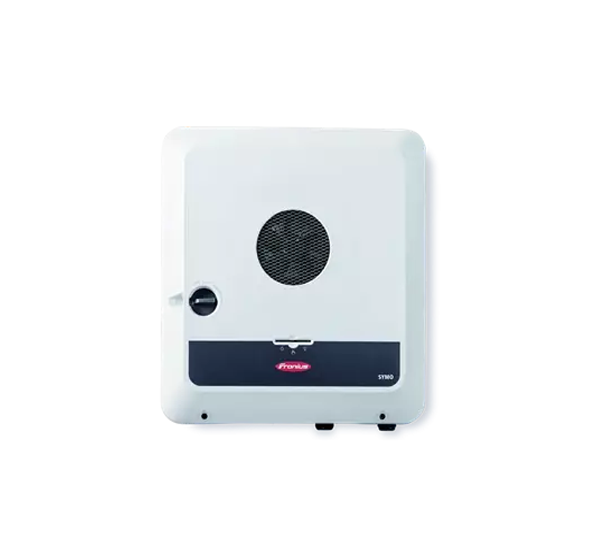
Fronius
6656755
SYMO GEN24 12.0 Plus SC
Hybrid inverter, 2 MPPT, 3-phase| AC nominal power (kW): | 12.00 |
|---|---|
| Number of independent MPPT (pcs): | 2 |
| Feed-in phases: | 3 |
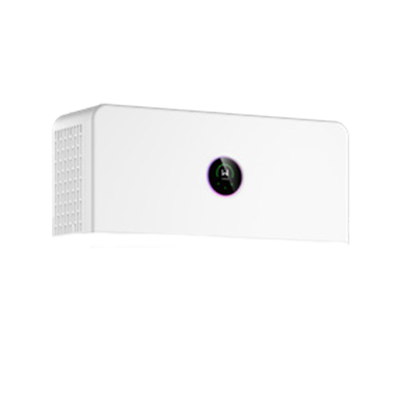
GoodWe
6663503
GW GW15K-ETA-G20
Hybrid Inverter, 4 MPPT, 3‑phase, All‑in‑One| AC nominal power (kW): | 15.00 |
|---|---|
| Number of independent MPPT (pcs): | 4 |
| Feed-in phases: | 3 |
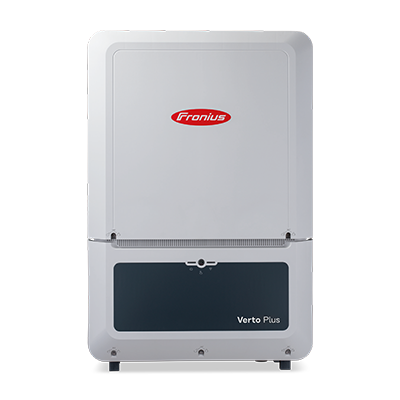
Fronius
6659332
Verto 15.0 Plus SPD 1+2
| AC nominal power (kW): | 15.00 |
|---|---|
| Number of independent MPPT (pcs): | 3 |
| Feed-in phases: | 3 |
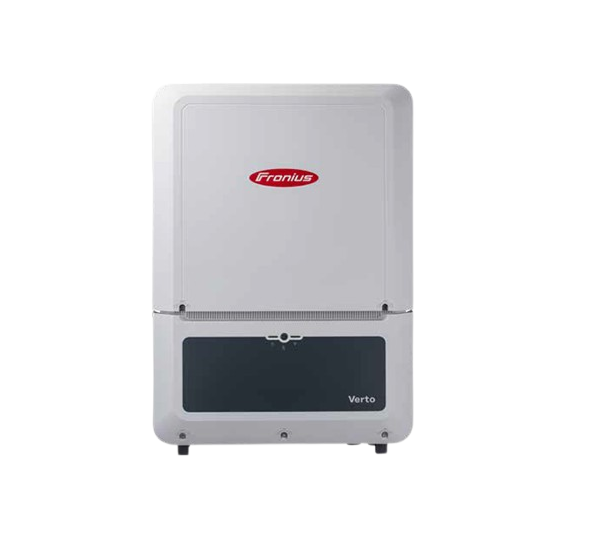
Fronius
6659328
Verto 15.0 SPD 1+2
| AC nominal power (kW): | 15.00 |
|---|---|
| Number of independent MPPT (pcs): | 3 |
| Feed-in phases: | 3 |
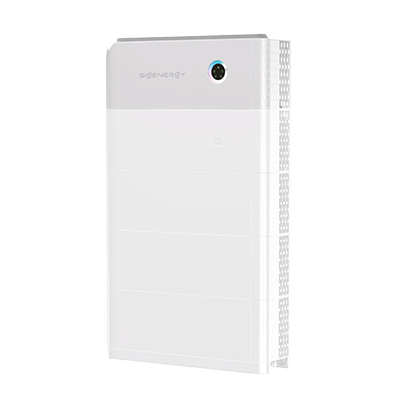
Sigenergy
6660731
Sigen Energy Controller 15.0kW TP AU
Hybrid Inverter, 3MPPT, 3ph, SPD II, DC Sw| AC nominal power (kW): | 15.00 |
|---|---|
| Number of independent MPPT (pcs): | 3 |
| Feed-in phases: | 3 |
Lorem Ipsum dolor sit amet
Lorem ipsum dolor sit amet, consetetur sadipscing elitr, sed diam nonumy eirmod tempor invidunt ut labore et dolore magna aliquyam erat, sed diam voluptua. At vero eos et accusam et justo duo dolores et ea rebum. Stet clita kasd gubergren, no sea takimata sanctus est Lorem ipsum dolor sit amet. Lorem ipsum dolor sit amet, consetetur sadipscing elitr, sed diam nonumy eirmod tempor invidunt ut labore et dolore magna aliquyam erat, sed diam voluptua. At vero eos et accusam et justo duo dolores et ea rebum. Stet clita kasd gubergren, no sea takimata sanctus est Lorem ipsum dolor sit amet.
The Central Role of the Inverter
The inverter’s primary function is to convert DC from solar modules into AC for household or grid use – or vice versa. At the same time, it acts as a control center, a safety element, and a communication interface.
A high-performance inverter has a significant impact on energy yield, system stability, and long-term future readiness. No other component connects as many parts of a PV system – from the generator field to battery storage to energy management.
Types of Inverters
At Krannich Solar, we categorize inverters into four main groups:
Hybrid Inverters
Hybrid inverters combine solar and battery management in a single unit. They handle both the conversion of solar energy and the charging/discharging of batteries, making them ideal for systems focused on self-consumption and energy independence.
• All-in-one solution for solar + storage
• Perfect for new installations
• Enables smart energy management and backup power
String Inverters
String inverters are the most common type used in traditional solar setups. They connect multiple panels in a “string” and convert the combined DC output into AC.
• High efficiency and cost-effective
• Best suited for unshaded, uniform panel layouts
• Centralized monitoring and maintenance
Power Optimizers
Power optimizers work alongside string inverters to enhance performance at the module level. They adjust each panel’s output to maximize energy harvest, especially in partially shaded or complex roof conditions.
• Panel-level optimization and monitoring
• Ideal for roofs with varying orientations or shading
• Improves overall system efficiency
Choosing the Right Inverter – Key Criteria
Selecting the right inverter depends on a number of technical and contextual factors, including:
• String Length, Input Voltage, MPPT Inputs:
Not every inverter handles arbitrary string lengths or asymmetric configurations. Strings must match the MPPT input specifications and voltage range.
Not every inverter handles arbitrary string lengths or asymmetric configurations. Strings must match the MPPT input specifications and voltage range.
• Battery Compatibility:
Inverter and battery must be compatible – which is not always the case. Our storage overview helps identify suitable combinations.
Inverter and battery must be compatible – which is not always the case. Our storage overview helps identify suitable combinations.
• Application & Grid Connection:
Must the inverter meet grid constraints (e.g., 70% feed-in rule)? What is the intended application? What other devices must it communicate with?
Must the inverter meet grid constraints (e.g., 70% feed-in rule)? What is the intended application? What other devices must it communicate with?
• Communication:
Via Wi-Fi, Ethernet, RS485, Power Line Communication (PLC), cellular (4G)? Is it compatible with Smart Meter Gateways?
Via Wi-Fi, Ethernet, RS485, Power Line Communication (PLC), cellular (4G)? Is it compatible with Smart Meter Gateways?
An experienced wholesale partner helps balance technical and economic considerations.
Standards & Future Readiness
Regulatory requirements for inverters continue to rise. Key aspects include:
• Standard: Inverters must be declared compliant with AS/NZS 4777.2:2020, which is the Australian and New Zealand standard for grid-connected inverters.
• CEC Approval: Inverters must be listed on the Clean Energy Council's (CEC) list of approved inverters.
• Region Settings: Inverters must be configured to the correct region settings, such as "Australia Region A" or "Australia Region B" depending on the specific requirements of the local network.
• Firmware Updates: Inverter firmware should be updated to the latest version compliant with AS/NZS 4777.2:2020. A future-proof inverter should offer modern interfaces, automatic firmware updates, and grid-friendly functionality. This is becoming a decisive factor – especially for eligibility in subsidy schemes or energy trading. Overview of Brands & Technologies The inverter market is broad but far from uniform. Krannich Solar offers a curated portfolio of leading manufacturers with clear technological focus:
• Hybrid inverters: GoodWe, Fronius, Sigenergy, Sungrow, SMA, Selectronic, SolarEdge, LG Energy Solutions
• String Inverters: GoodWe, Fronius, Sigenergy, Sungrow, SMA, Selectronic, SolarEdge, LG Energy Solutions, Redback, Fimer, Growatt
• Power optimizers: SolarEdge, Tigo Energy
We also supply EMS systems, energy meters, cables and connectors, communication accessories, grid disconnects, backup power solutions, surge protection, sensors, voltage converters, fuses, and more.
Brands include: GoodWe, Fronius, Sigenergy, Sungrow, SMA, Selectronic, SolarEdge, LG Energy Solutions, Redback, Fimer, Growatt.
Often Overlooked Aspects
Beyond performance and efficiency, there are additional factors that are not always evident in datasheets but can make a real difference for installers:
• Installation Effort:
Device weight, wiring complexity, required training or certification, manufacturer installation support, and on-site conditions.
• Service Access & Remote Maintenance:
Can the inverter be serviced remotely? Many systems support monitoring via app or web interface.
• Accessories & Expandability:
Energy meters, backup power functionality, UPS capability, and additional compatible components – all of these can influence system planning.
• CEC Approval: Inverters must be listed on the Clean Energy Council's (CEC) list of approved inverters.
• Region Settings: Inverters must be configured to the correct region settings, such as "Australia Region A" or "Australia Region B" depending on the specific requirements of the local network.
• Firmware Updates: Inverter firmware should be updated to the latest version compliant with AS/NZS 4777.2:2020. A future-proof inverter should offer modern interfaces, automatic firmware updates, and grid-friendly functionality. This is becoming a decisive factor – especially for eligibility in subsidy schemes or energy trading. Overview of Brands & Technologies The inverter market is broad but far from uniform. Krannich Solar offers a curated portfolio of leading manufacturers with clear technological focus:
• Hybrid inverters: GoodWe, Fronius, Sigenergy, Sungrow, SMA, Selectronic, SolarEdge, LG Energy Solutions
• String Inverters: GoodWe, Fronius, Sigenergy, Sungrow, SMA, Selectronic, SolarEdge, LG Energy Solutions, Redback, Fimer, Growatt
• Power optimizers: SolarEdge, Tigo Energy
We also supply EMS systems, energy meters, cables and connectors, communication accessories, grid disconnects, backup power solutions, surge protection, sensors, voltage converters, fuses, and more.
Brands include: GoodWe, Fronius, Sigenergy, Sungrow, SMA, Selectronic, SolarEdge, LG Energy Solutions, Redback, Fimer, Growatt.
Often Overlooked Aspects
Beyond performance and efficiency, there are additional factors that are not always evident in datasheets but can make a real difference for installers:
• Installation Effort:
Device weight, wiring complexity, required training or certification, manufacturer installation support, and on-site conditions.
• Service Access & Remote Maintenance:
Can the inverter be serviced remotely? Many systems support monitoring via app or web interface.
• Accessories & Expandability:
Energy meters, backup power functionality, UPS capability, and additional compatible components – all of these can influence system planning.
Choosing the right inverter involves multiple technical and economic considerations.
As an experienced PV wholesaler, Krannich Solar supports installers, planners, and specialist dealers with product selection, system planning, and logistical support – offering a clearly structured portfolio to meet every requirement.
The inverter’s primary function is to convert DC from solar modules into AC for household or grid use – or vice versa. At the same time, it acts as a control center, a safety element, and a communication interface.
A high-performance inverter has a significant impact on energy yield, system stability, and long-term future readiness. No other component connects as many parts of a PV system – from the generator field to battery storage to energy management.