
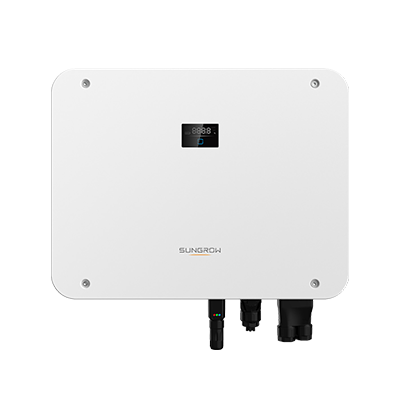

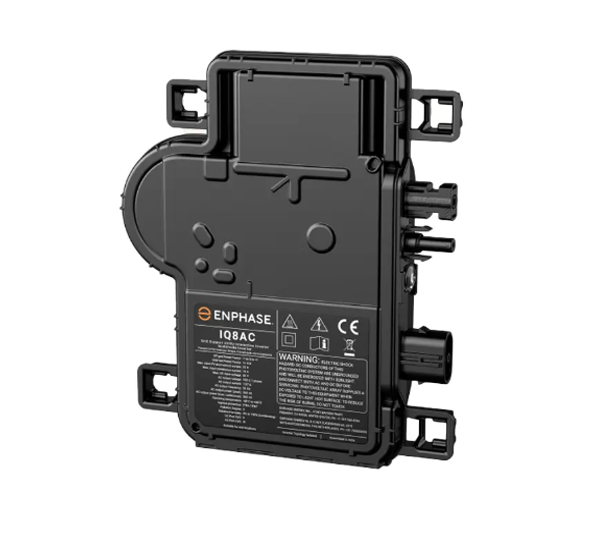
IQ8AC-72-M-INT
Micro inverter, 1-ph, 366 VA, MC4| AC nominal power (kW): | 0.37 |
|---|---|
| Number of independent MPPT (pcs): | 1 |
| Feed-in phases: | 1 |
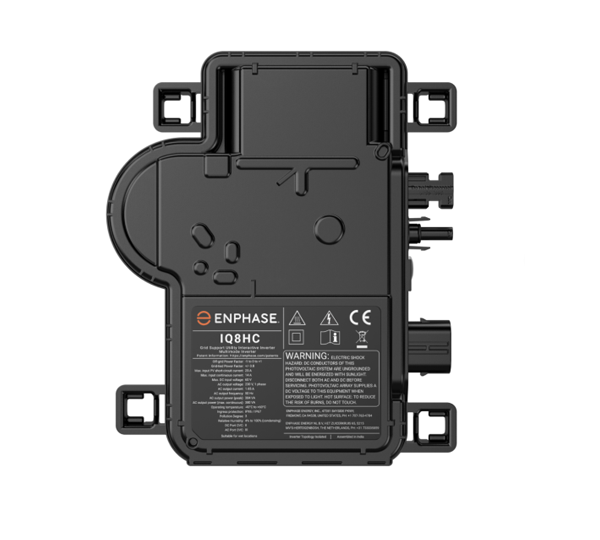
IQ8HC-72-M-INT
Micro inverter, 1-ph, 384 VA, MC4| AC nominal power (kW): | 0.38 |
|---|---|
| Number of independent MPPT (pcs): | 1 |
| Feed-in phases: | 1 |
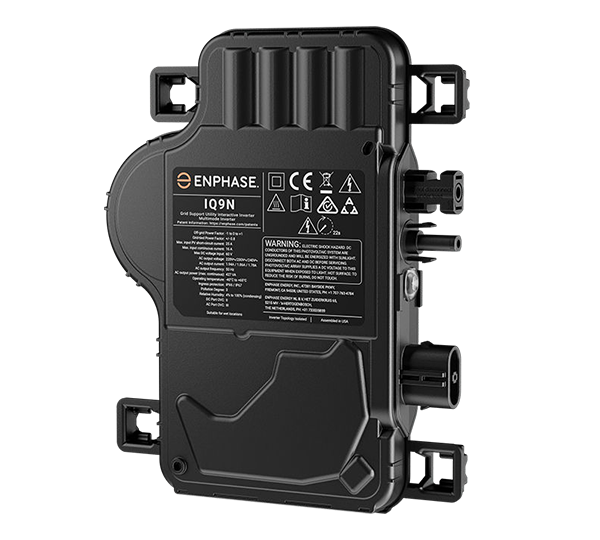
IQ9N-A-INT
Micro inverter, 1-ph, 427 VA, MC4| AC nominal power (kW): | 0.43 |
|---|---|
| Number of independent MPPT (pcs): | 1 |
| Feed-in phases: | 1 |
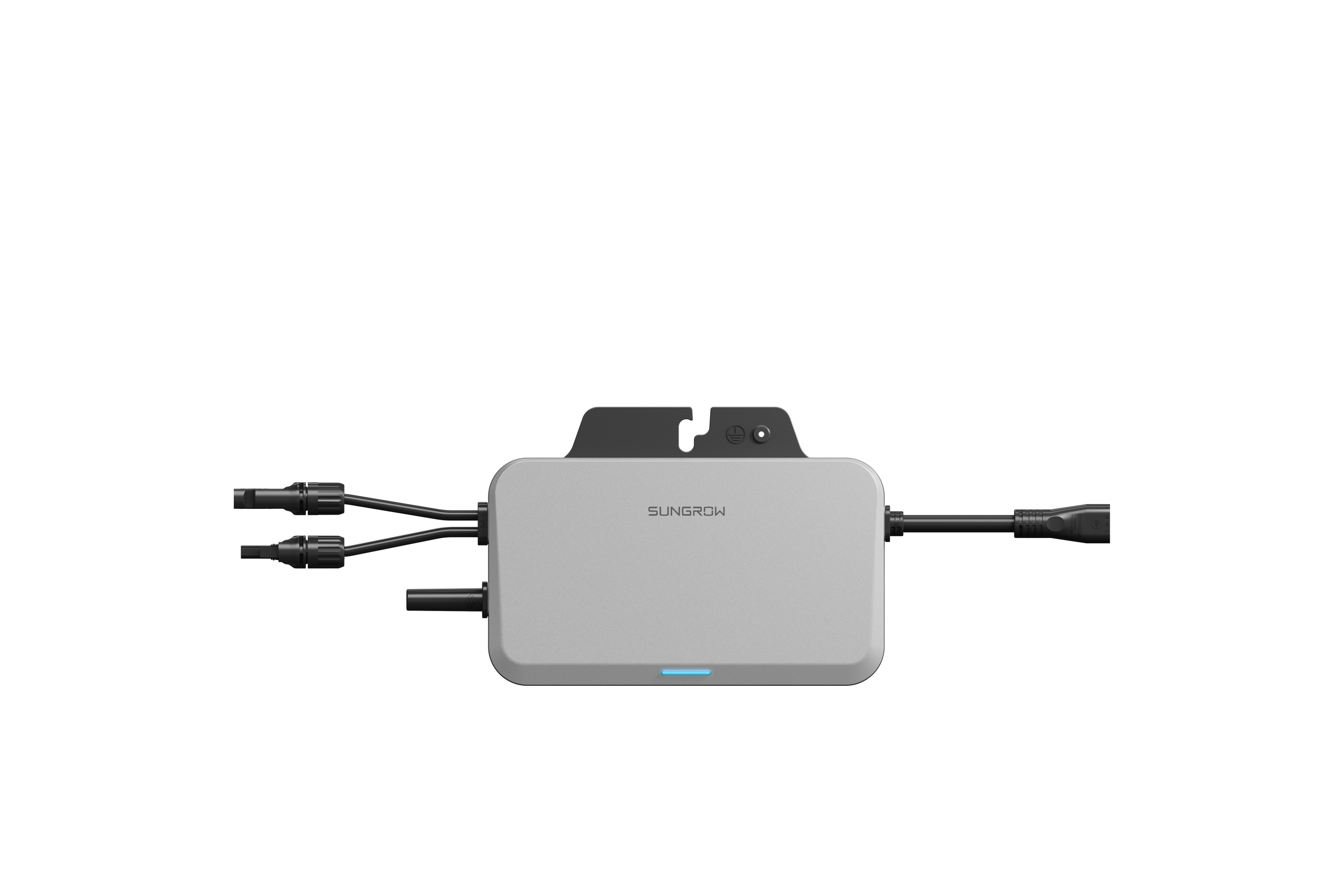
S450S for balcony systems
Micro inverter, 1-ph, 1 MPPT, MC4| AC nominal power (kW): | 0.45 |
|---|---|
| Number of independent MPPT (pcs): | 1 |
| Feed-in phases: | 1 |
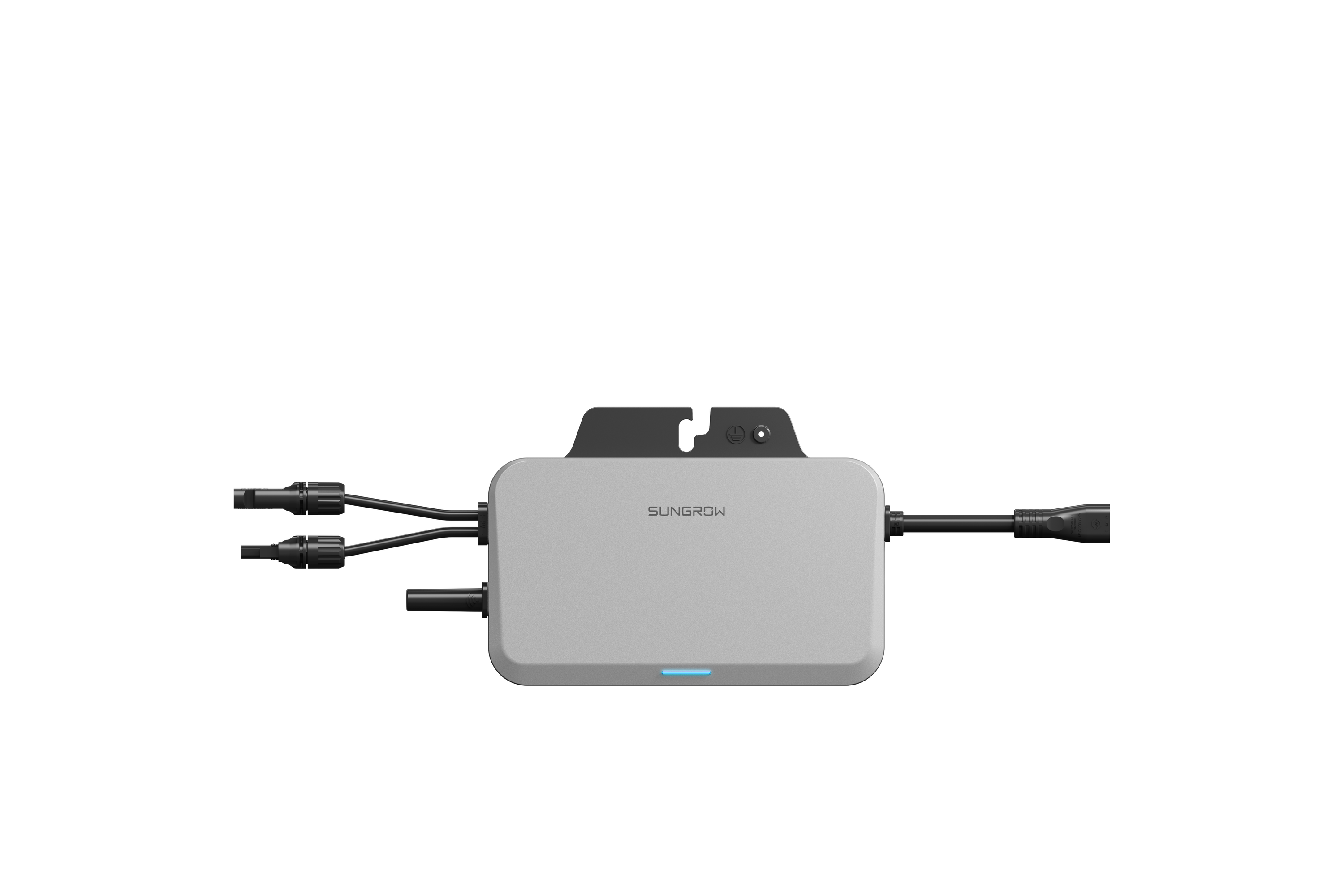
S450S for roof systems
Micro inverter, 1-ph, 1 MPPT, MC4| AC nominal power (kW): | 0.45 |
|---|---|
| Number of independent MPPT (pcs): | 1 |
| Feed-in phases: | 1 |
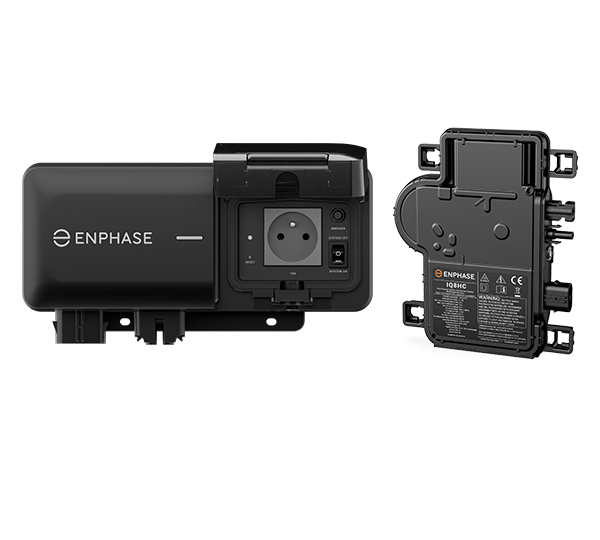
IQ Balcony Solar WiFi Kit 0.8 kW (only BE)
Balcony power station, incl. earthed socket| AC nominal power (kW): | 0.80 |
|---|---|
| Feed-in phases: | 1 |
S800S for balcony systems
Micro inverter, 1-ph, 2 MPPT, MC4| AC nominal power (kW): | 0.80 |
|---|---|
| Number of independent MPPT (pcs): | 1 |
| Feed-in phases: | 1 |
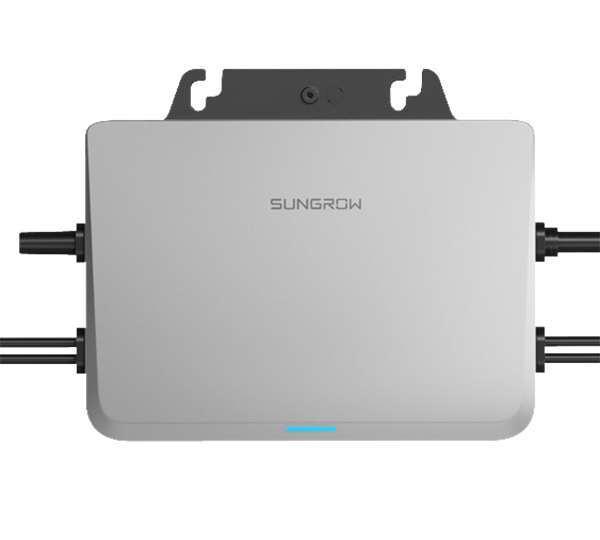
S800S for roof systems
Micro inverter, 1-ph, 2 MPPT, MC4| AC nominal power (kW): | 0.80 |
|---|---|
| Number of independent MPPT (pcs): | 2 |
| Feed-in phases: | 1 |
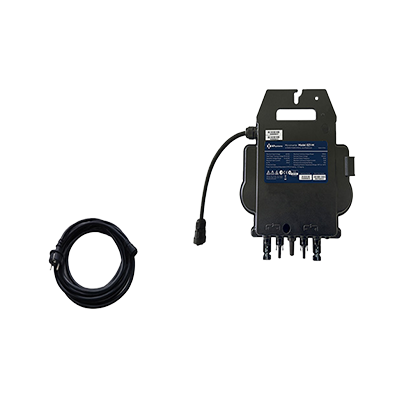
EZ1-M (799 VA) + Power Cord (5m), Set of 10
Micro inverter + Cable, 1-ph, 799 VA, MC4, 10 x| AC nominal power (kW): | 0.80 |
|---|---|
| Number of independent MPPT (pcs): | 2 |
| Feed-in phases: | 1 |
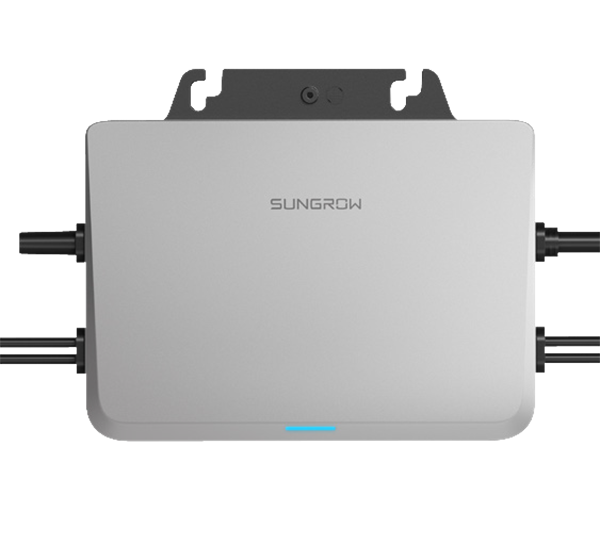
S1000S for roof systems
Micro inverter, 1-ph, 2 MPPT, MC4| AC nominal power (kW): | 1.00 |
|---|---|
| Number of independent MPPT (pcs): | 2 |
| Feed-in phases: | 1 |
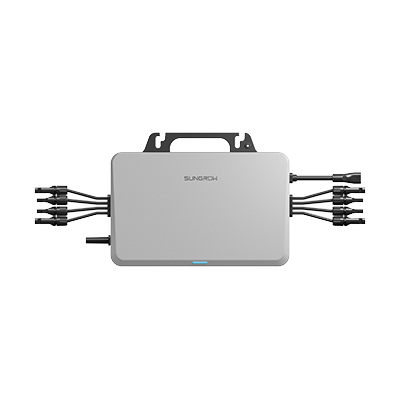
S1600S for roof systems
Micro inverter, 1-ph, 4 MPPT, MC4| AC nominal power (kW): | 1.60 |
|---|---|
| Number of independent MPPT (pcs): | 4 |
| Feed-in phases: | 1 |
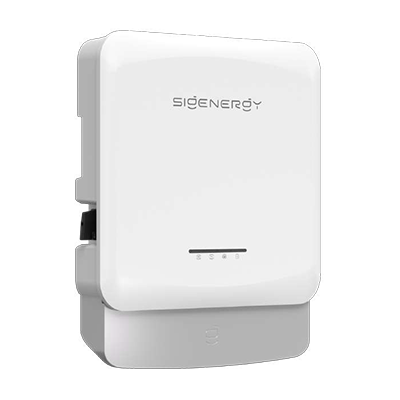
Sigen Hybrid Inverter 2.0 SP2
Hybrid IV, 2 MPPT, SPD, AFCI, 1 phase| AC nominal power (kW): | 2.00 |
|---|---|
| Number of independent MPPT (pcs): | 2 |
| Feed-in phases: | 1 |
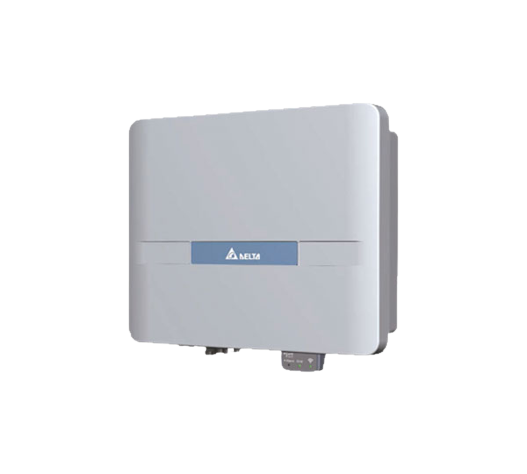
RPI H2.5 FLEX
String inverter, 1-ph, 1 MPPT, w/o display, MC4| AC nominal power (kW): | 2.50 |
|---|---|
| Number of independent MPPT (pcs): | 1 |
| Feed-in phases: | 1 |

Sunny Tripower STP 3.0 TL INT BLUE
String inverter, 2-ph, 3 MPPT| AC nominal power (kW): | 3.00 |
|---|---|
| Number of independent MPPT (pcs): | 2 |
| Feed-in phases: | 3 |
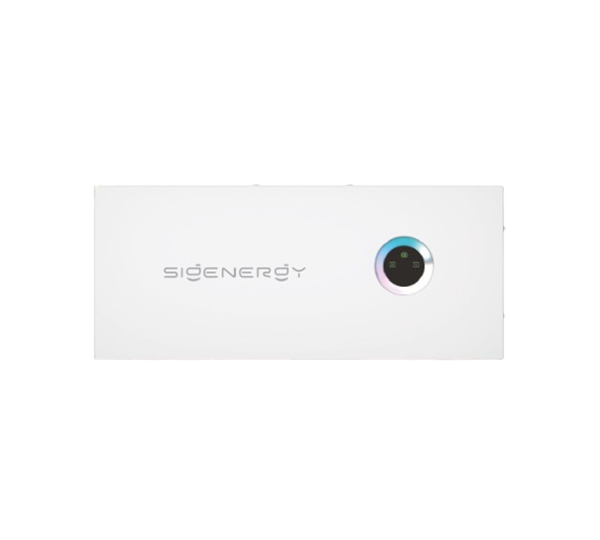
Sigen Energy Controller 3.0 SP
Hybrid WR, 2 MPPT, SPD, 1-phase| AC nominal power (kW): | 3.00 |
|---|---|
| Number of independent MPPT (pcs): | 2 |
| Feed-in phases: | 1 |
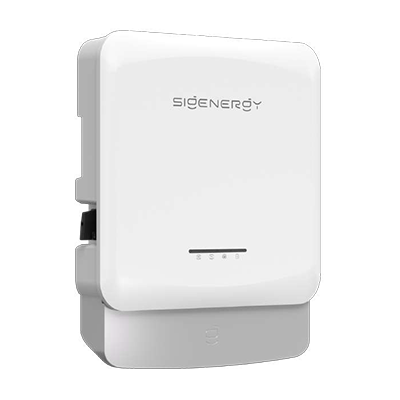
Sigen Hybrid Inverter 3.0 SP2
Hybrid IV, 2 MPPT, SPD, AFCI, 1 phase| AC nominal power (kW): | 3.00 |
|---|---|
| Number of independent MPPT (pcs): | 2 |
| Feed-in phases: | 1 |
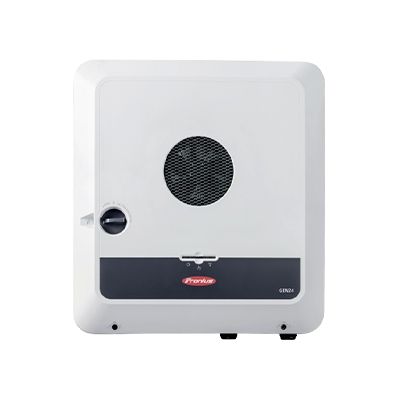
Symo GEN24 SC 3.0 plus
Hybrid inverter, 3-ph, 2 MPPT| AC nominal power (kW): | 3.00 |
|---|---|
| Number of independent MPPT (pcs): | 2 |
| Feed-in phases: | 3 |
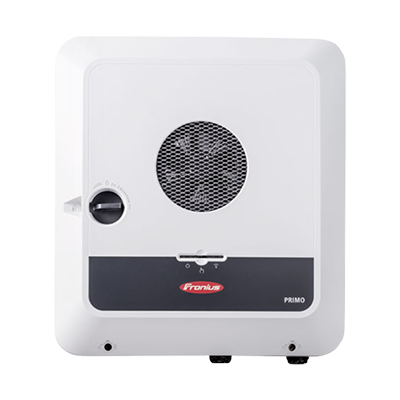
Primo GEN24 SC 3.0 plus
Hybrid inverter, 1-ph, 2 MPPT| AC nominal power (kW): | 3.00 |
|---|---|
| Number of independent MPPT (pcs): | 2 |
| Feed-in phases: | 1 |
About Inverters
The inverter is the heart of every photovoltaic system – both technically and strategically. It not only converts direct current (DC) into usable alternating current (AC), but also takes on a wide range of tasks that go far beyond basic energy conversion. For installers and system planners, choosing the right inverter is therefore a complex decision with far-reaching consequences. As a PV wholesaler with international experience, Krannich Solar supports professionals in making precisely these decisions.
The Central Role of the Inverter
The inverter’s primary function is to convert DC from solar modules into AC for household or grid use – or vice versa. At the same time, it acts as a control center, a safety element, and a communication interface.
A high-performance inverter has a significant impact on energy yield, system stability, and long-term future readiness. No other component connects as many parts of a PV system – from the generator field to battery storage to energy management.
Types of Inverters
- PV Inverters: For grid-tied PV systems without storage. High efficiency, modern MPPT, grid synchronization. Use: feed-in systems.
- Battery Inverters: AC-coupled, allow battery retrofitting. Ideal for upgrades or hybrid setups.
- Hybrid Inverters: Manage both PV and storage in one. Optimize self-consumption, attractive for new builds.
- Microinverters: Mounted on individual modules. Great for shading, east-west roofs, or balcony systems. Higher install effort, but maximize module yield.
Choosing the Right Inverter – Key Criteria
- String Length, Voltage, MPPT Inputs: Must fit device specs, not all handle asymmetry.
- Battery Compatibility: Not all inverters match with all batteries – see storage overview.
- Application & Grid: Compliance with rules (70% cap, etc.), required communication with other devices.
- Communication: Wi-Fi, LAN, Modbus, RS485, Smart Meter Gateway compatibility.
A wholesale partner helps balance these technical and economic considerations.
Standards & Future Readiness
- Compliance: DIN VDE 0126-1-1, VDE-AR-N 4105/4110
- Grid compatibility & feed-in management
- Expandable for smart tariffs (smart meters, dynamic pricing)
- Load management (large-scale systems, smart homes)
Future-proof devices offer interfaces, firmware updates, and grid-supportive features – key for subsidies and energy trading.
Overview of Brands & Technologies
- Microinverters: APsystems, Enphase
- Battery Inverters: Kaco, SMA, SolarEdge
- PV & Hybrid Inverters: Range of trusted brands
Accessories: EMS, energy meters, cables, connectors, comms accessories, disconnects, backup power, surge protection, sensors, converters, fuses. Brands: ABB Stotz-Kontakt, Conduct, Eaton, IMT, LevelX Energy, Phoenix Contact, Santon, Solar-Log, Solar Manager.
Often Overlooked Aspects
- Installation Effort: Weight, wiring complexity, training, support, site requirements.
- Service & Remote Maintenance: On-site or remote servicing, monitoring via app/web.
- Accessories & Expandability: Energy meters, backup/UPS functions, extra components.
Choosing the right inverter involves multiple technical and economic considerations. Krannich Solar supports installers, planners, and dealers with product selection, system planning, and logistics – offering a clear, structured portfolio for every requirement.