

31 Articles
Grid
List

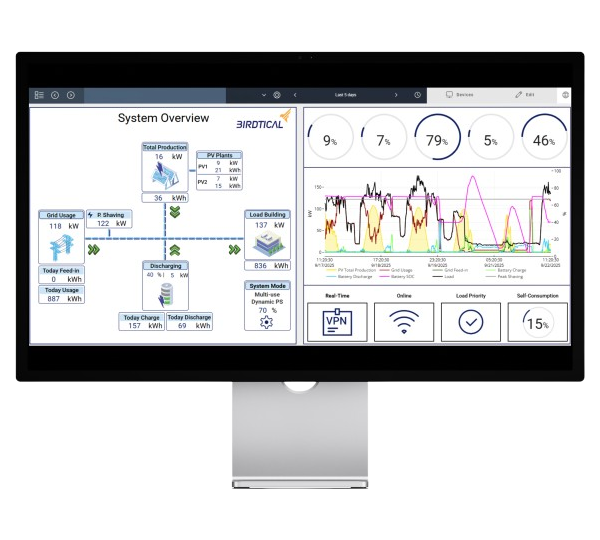

Solar Manager
0158209
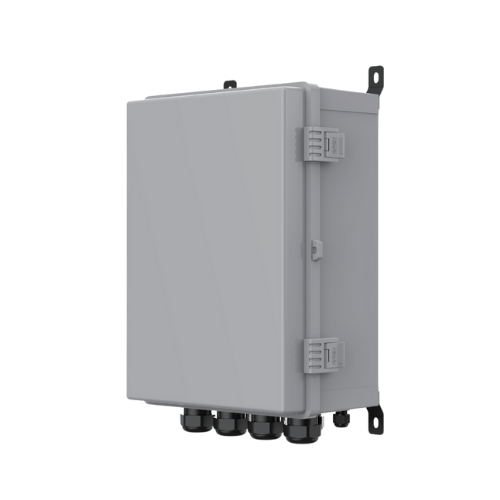
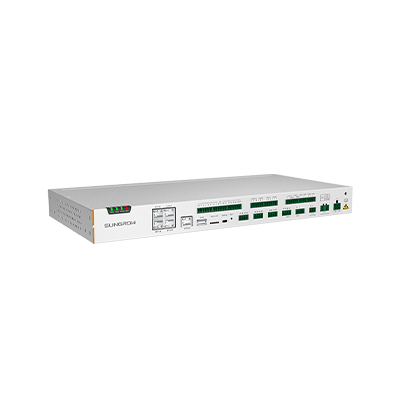
Sungrow
0163956
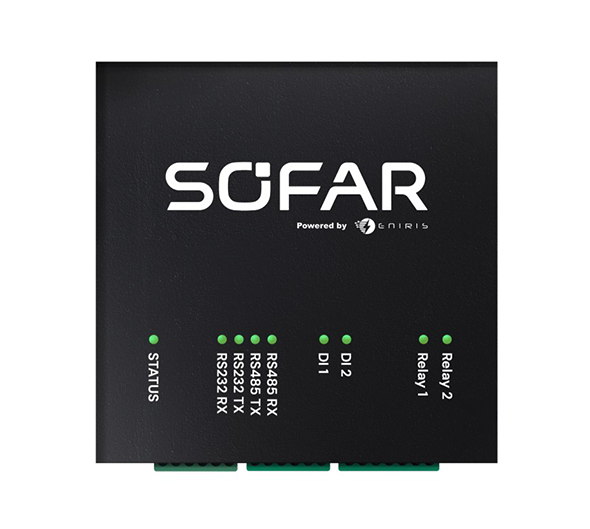
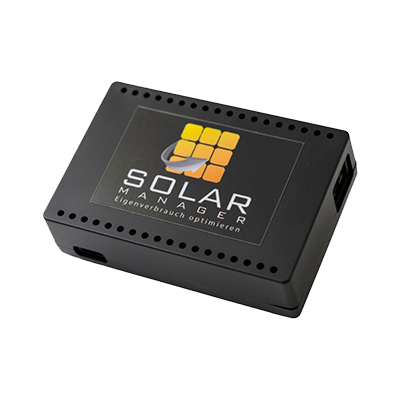
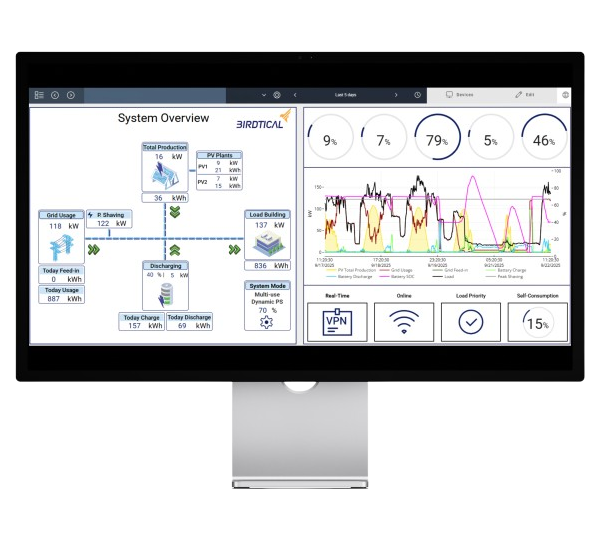
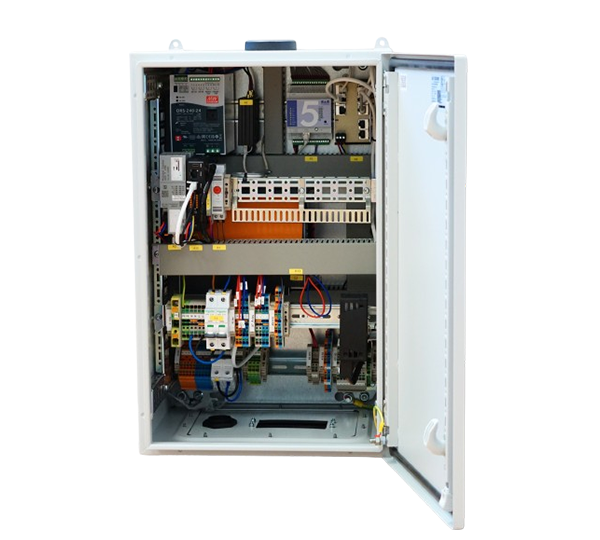
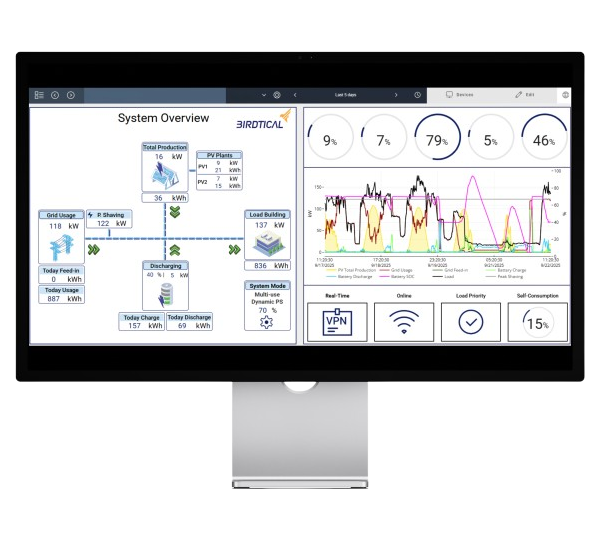
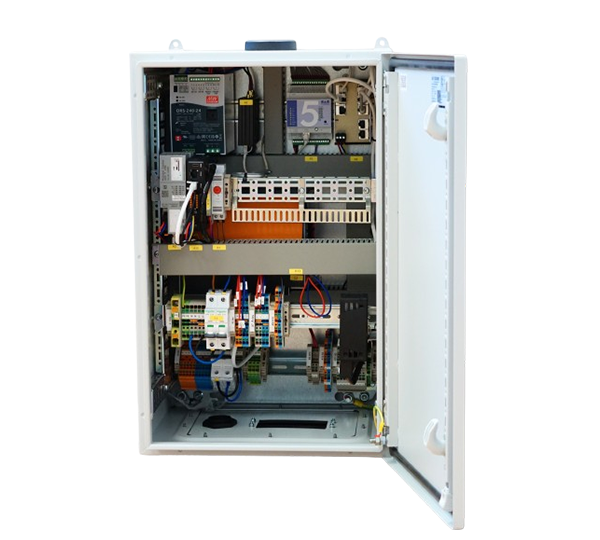
Energy management systems (EMS) for PV systems, storage units & wallboxes
An energy management system ensures that the solar power generated is used as intelligently as possible: in the home, in commercial premises, in battery storage units or when charging an electric car. For electricians and solar installers, EMS are therefore becoming a key component of modern PV projects.
In this category, you will find energy management systems and suitable components for the planning, installation and expansion of PV systems, storage units, wallboxes and smart appliances. The focus is on systems that can be reliably integrated, increase self-consumption and give customers greater long-term control over their energy flows.
What is an energy management system?
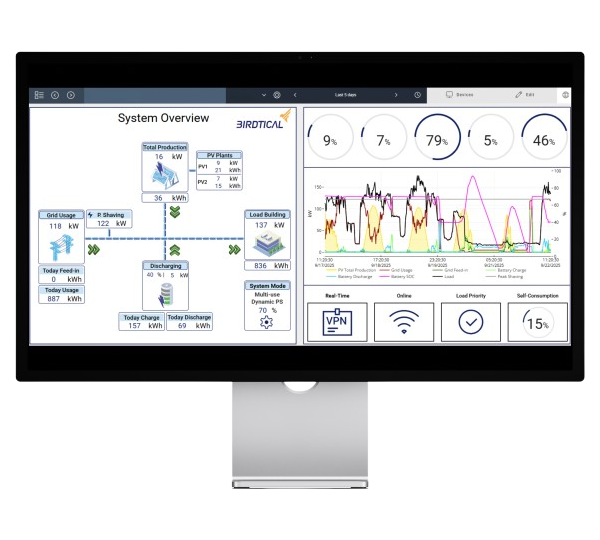
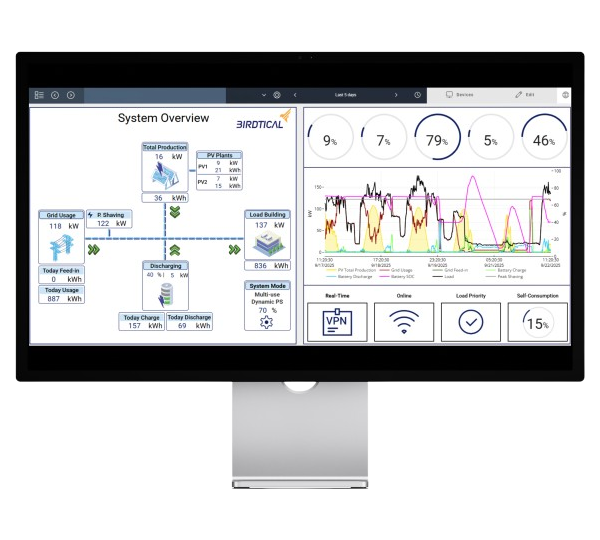
An energy management system, or EMS for short, records energy flows, analyzes them, and controls connected devices according to defined rules. For example, it detects when the PV system is generating electricity, how high the current consumption is, whether the storage system should be charged, or whether surplus energy can be used for the wallbox.
It is important to distinguish between three terms:
- Energy monitoring: makes energy flows visible but usually does not actively intervene.
- Energy management system: analyzes data and actively controls consumers, storage systems, or wallboxes.
- HEMS: a Home Energy Management System for private households, typically including a PV system, storage, wallbox, and smart home integration.
EMS are particularly important today because PV systems are increasingly combined with battery storage, charging infrastructure, and variable electricity tariffs. Without intelligent control, a lot of potential remains unused. With an EMS, systems can be operated more economically, consumers can be prioritized, and grid consumption can be reduced.
How does an EMS work?
An EMS works with measurement data, control logic, and interfaces. It connects different components of an energy system and decides how energy is distributed as efficiently as possible.
Typical data sources are:
- PV inverter
- Battery storage
- Smart meter or energy meter
- Wallbox
- Heat pump or larger consumers
- Grid connection point
The EMS analyzes this data in real time or near real time. It then controls connected devices according to predefined priorities. A simple example: If the PV system produces more electricity than is currently needed in the household, the EMS first charges the storage system, then the wallbox, or activates defined consumers.
For electricians and solar installers, it is particularly important that the system components are technically compatible. Key factors include interfaces, manufacturer approvals, metering concepts, and the correct positioning of meters.
Advantages of energy management systems
An EMS not only offers benefits to end customers. It also creates clear added value for specialist companies, as projects become more technically sophisticated, require more consulting, and are more future-proof.
Key advantages:
- Increase self-consumption: Solar power is used more efficiently within the building.
- Reduce electricity costs: Grid consumption can be lowered and usage better controlled.
- Intelligent wallbox charging: Electric vehicles can be preferentially charged with PV surplus.
- Use storage more efficiently: Charging and discharging can be better aligned with consumption and generation.
- Enable automation: Consumers are not only monitored but actively controlled.
- Improve customer consulting: Electricians and solar installers can sell concrete application scenarios instead of abstract technology.
Especially for PV systems with storage and wallbox, the EMS is evolving from an optional add-on to a central control element. It helps not only to install the system but also to operate it economically.
What types of energy management systems are there?
Not every EMS is suitable for the same use case. The key factor in selection is whether it is intended for a single-family home, a commercial property, or a larger industrial application.
| EMS type | Application area | Typical functions |
| HEMS | Private households with PV, storage, and wallbox | Self-consumption optimization, wallbox control, smart home integration |
| Commercial EMS | Commercial and industrial applications | Consumption monitoring, load management, PV integration, reporting, energy KPIs, analyses close to ISO 50001 |
| Cloud EMS | Cross-site or easily scalable applications | Remote access, updates, app control, data analysis |
| Local EMS | Projects focusing on independence and local control | Local data storage, direct control, reduced cloud dependency |
Compatibility & interfaces
Compatibility often determines whether an EMS project runs smoothly or causes problems. Especially in mixed systems with different manufacturers, electricians and solar installers should check which devices can communicate with each other.
- Inverter compatibility: Can the EMS read generation data and process control commands?
- Storage compatibility: Is the battery storage correctly integrated and prioritized?
- Wallbox compatibility: Does the wallbox support PV surplus charging or load management?
- Smart meter integration: Are consumption, feed-in, and grid usage measured correctly?
- Interfaces: such as Modbus, APIs, KNX, EEBus, or manufacturer-specific protocols.
For the shop category, a clear presentation of compatibility is particularly valuable. Ideally, products should be filterable by manufacturer, interface, and application area. A compatibility matrix can help professional customers find the right system faster and avoid incorrect purchases.
Installing an EMS: What electricians should consider
The installation of an energy management system does not begin with mounting. The planning of the overall system is crucial. This includes the PV system, inverter, battery storage, wallbox, smart meter, grid connection, and possible future expansions.
Important points in practice:
- Check the metering concept: Where are generation, consumption, feed-in, and grid usage measured?
- Position smart meters correctly: An incorrect measurement point can lead to wrong control decisions.
- Clarify compatibility in advance: Not every wallbox or storage system can be integrated into every EMS.
- Ensure communication: Network, bus systems, or wireless connections must function reliably.
- Define priorities: Should the storage, the electric car, or another consumer be supplied first?
- Explain customer expectations: An EMS optimizes energy flows but does not replace proper system planning.
Typical errors arise from incomplete compatibility checks, incorrect meter positioning, missing interfaces, or planning the EMS too late. Therefore, energy management should already be considered during the quotation and system design phase.
For specialist companies, this area offers a major consulting advantage. Those who not only sell EMS but also plan and explain them properly build trust and reduce later questions during operation.
Dynamic electricity tariffs & intelligent control
Dynamic electricity tariffs make energy management systems even more relevant. When electricity prices fluctuate throughout the day, an EMS can help control consumers, storage, or wallboxes more effectively.
For PV systems, this means the system considers not only generation and consumption but increasingly also the timing of electricity use. It may therefore make sense to charge the storage at certain times, charge the electric car more cheaply, or automatically shift flexible consumers.
This topic should be briefly introduced on this category page, as it is strongly linked to future EMS applications.
Buying energy management systems: What professionals should consider
When purchasing an EMS, it is not only the range of functions that matters. The key factor is whether the system fits the planned system design and can be used efficiently in day-to-day installation work.
Pay particular attention to:
- suitable interfaces for inverter, storage, and wallbox
- easy commissioning
- good documentation for professional users
- clear visualization for end customers
- expandability for future components
- reliable manufacturer support
- useful filters by application area and compatibility
In this category, electricians and solar installers will find suitable energy management systems for PV systems, storage solutions, wallboxes, and intelligent consumers. Use the filters to narrow down systems by manufacturer, interface, and application, or check suitable accessories and complementary products directly.