
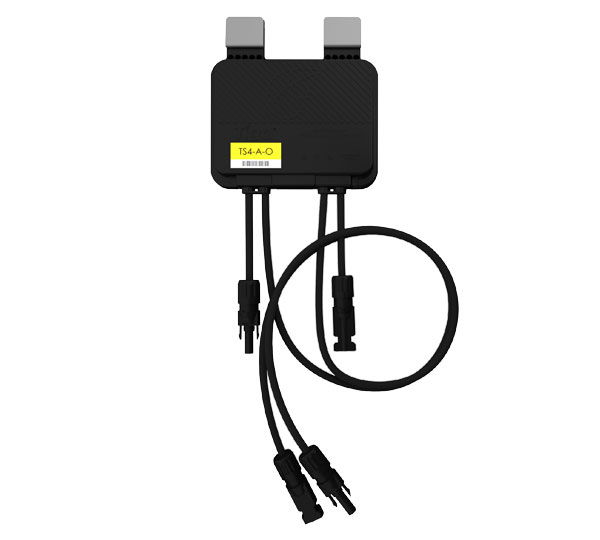
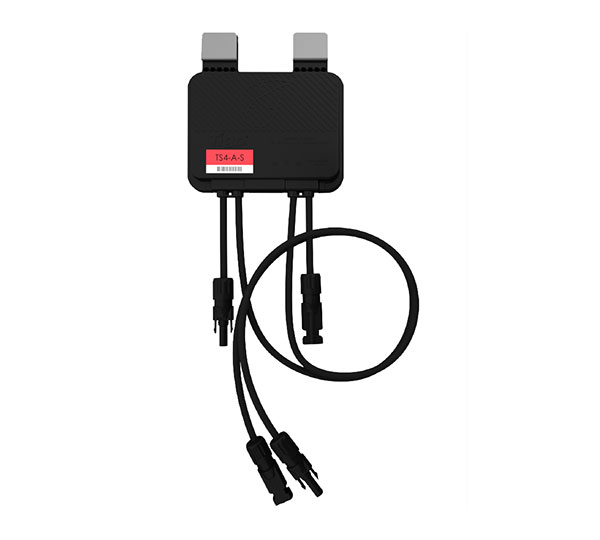
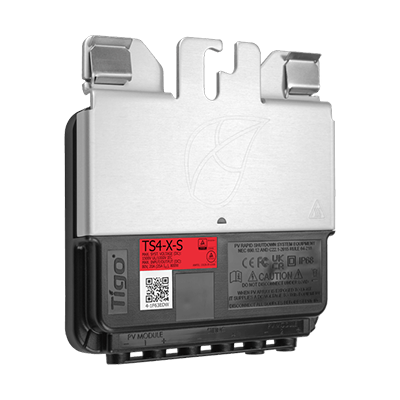
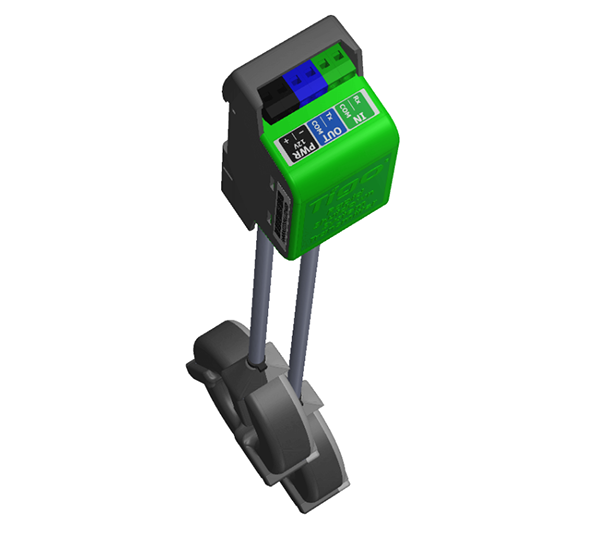
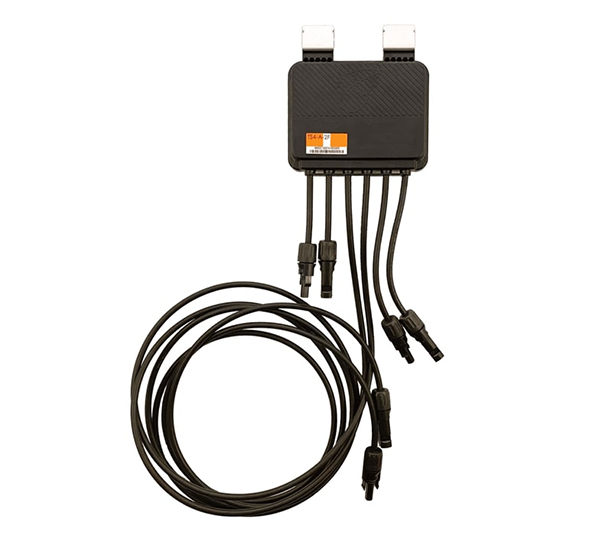
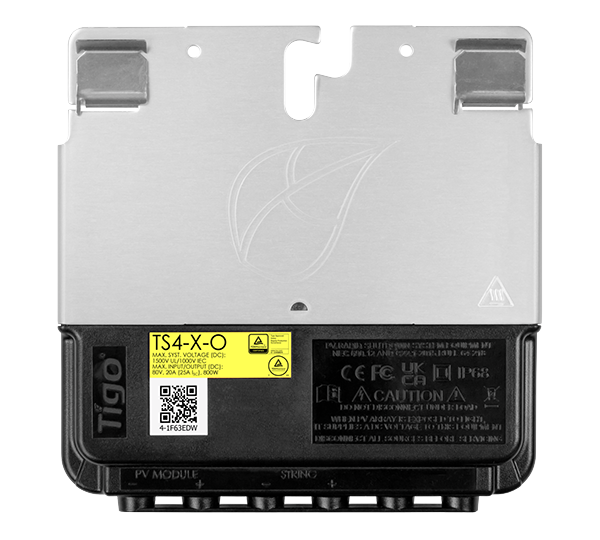
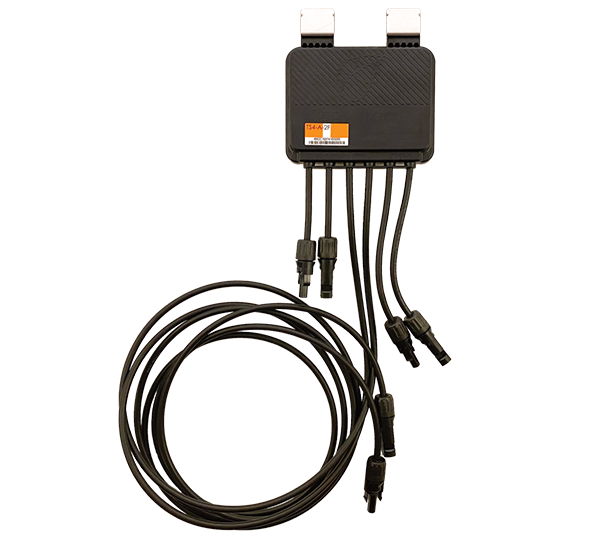
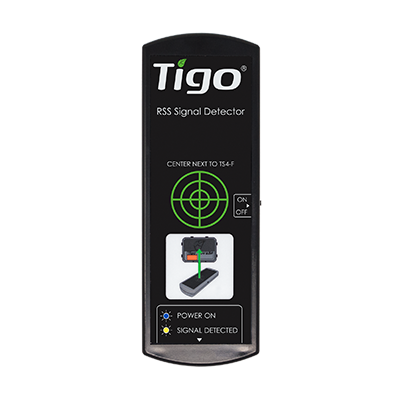
What is a photovoltaic optimizer?
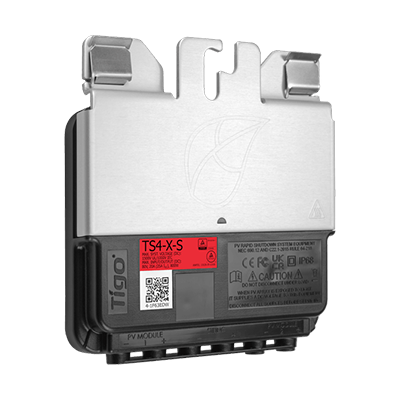
An optimizer (also called a power optimizer) is an electronic device installed directly on a solar panel. Its main task is to increase the performance of a photovoltaic system by optimizing the operation of each panel individually. Unlike traditional string systems, where all panels are connected into one unit and the performance of the entire string is affected by the weakest link, optimizers ensure that each panel operates independently of the others.
How does an optimizer work?
An optimizer uses MPPT (Maximum Power Point Tracking) technology at the level of individual panels. This means that the device continuously evaluates the panel’s voltage and current and adjusts them so that the output of each panel is as high as possible regardless of the performance of neighboring panels.
Typical situations where an optimizer provides key benefits:
Partial roof shading caused by a chimney, trees, or surrounding buildings
Different panel orientations or roof slopes
Dirt, snow, or leaves on one or more panels
Thanks to the optimizer, it is possible to minimize power losses caused by these factors while also gaining an overview of the performance of each individual panel.
Advantages of using optimizers
The use of optimizers brings a wide range of benefits, whether for a residential solar power system or a larger commercial installation.
1. Maximum efficiency and higher yields: Each panel can operate independently and achieve its maximum output, resulting in higher energy production.
2. Better use of roof space: Thanks to the independent operation of panels, PV panels can be installed without problems on differently oriented surfaces (e.g. east–west) or in partially shaded areas.
3. Increased safety: If the system is shut down (for example during a fire or maintenance), the optimizer can reduce the panel voltage to a safe level. This significantly improves system safety for firefighters and service technicians.
4. Monitoring of each panel: Optimizers make it possible to monitor the performance of each solar panel separately via a mobile app or web interface. This feature is essential for diagnostics and fault detection.
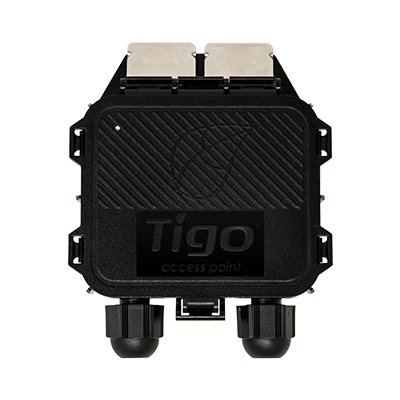
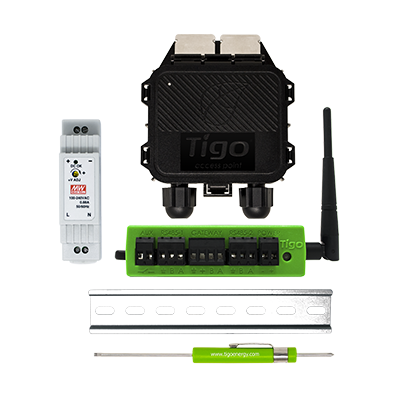
5. Long service life and compatibility: Modern optimizers have a long service life and are fully compatible with a range of inverters. For example, SolarEdge systems require specific optimizers, while Tigo also offers solutions for universal use.
Most common brands and variants
Today, the market offers several well-known brands and types of optimizers: SolarEdge optimizers – high efficiency, advanced monitoring, must be used with a SolarEdge inverter Tigo optimizers – flexible use, compatible with most string inverters, option for retrofitting Huawei Smart Optimizer – part of hybrid systems, easy installation, and a high-quality monitoring app Sungrow optimizers – panel-level power optimization, safety shutdown, full integration with Sungrow inverters
When and why choose optimizers?
The use of optimizers is recommended in the following cases:
The roof is partially shaded or complex in shape
Different panel slopes or orientations
A requirement for higher yields and detailed monitoring
A requirement for greater safety (e.g. in public buildings)
Today, optimizers are considered a standard solution in modern photovoltaic systems where simple string panel wiring is not sufficient.