
Inverters
The inverter is the heart of every photovoltaic system—both technically and strategically. It not only converts direct current (DC) into alternating current (AC), but also performs many additional functions that go beyond energy conversion alone. For installation companies and system designers, selecting the right inverter is a complex decision with long-term implications.
As an experienced international wholesaler, Krannich Solar supports professional companies precisely in making these decisions.
The key role of the inverter
The inverter ensures the conversion of power from DC to AC or vice versa. At the same time, it serves as a control center, a safety component, and a communication interface. A high-performance inverter has a decisive impact on yields, system stability, and readiness for future technologies. No other component connects as many parts of the system—from the generator field and battery storage to consumption management.
Types of inverters
At Krannich Solar, we divide inverters into four main categories:
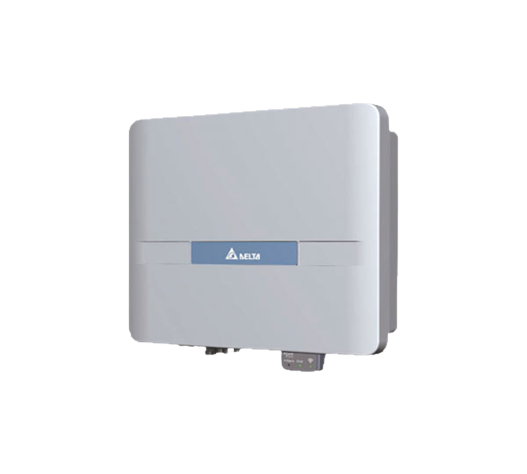
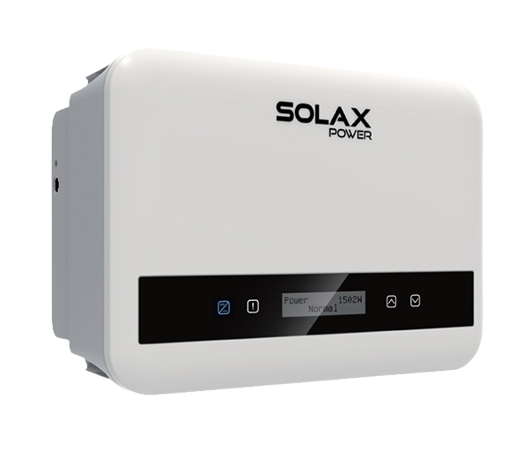
Grid-tied inverters: Designed for grid-connected systems without battery storage. They are characterized by high efficiency, modern MPPT technology, and grid synchronization. Typical use: conventional feed-in systems.
Battery inverters: Inverters connected on the AC side that allow a battery to be retrofitted into an existing installation. Especially suitable for modernizations or hybrid systems with multiple energy sources.
Hybrid inverters: Devices that control both the PV system and the battery. They enable self-consumption optimization and are particularly attractive for new buildings.
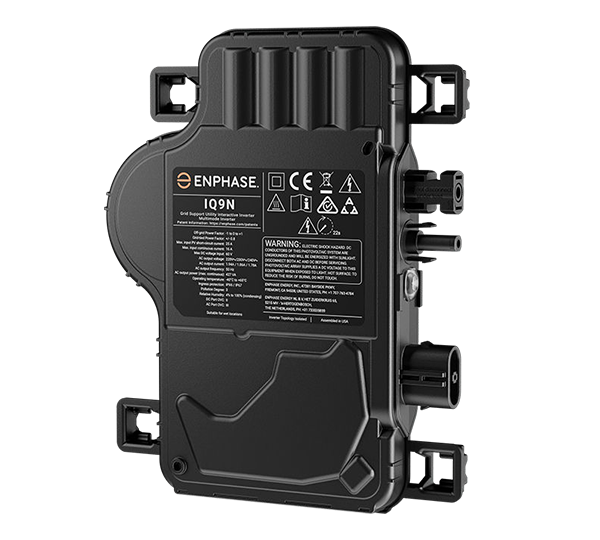
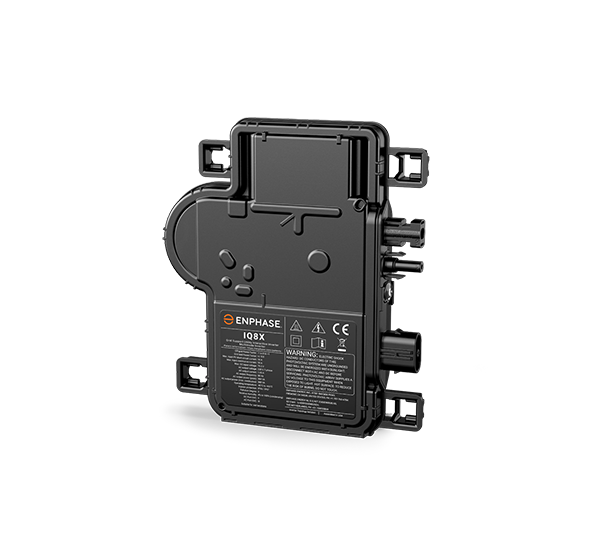
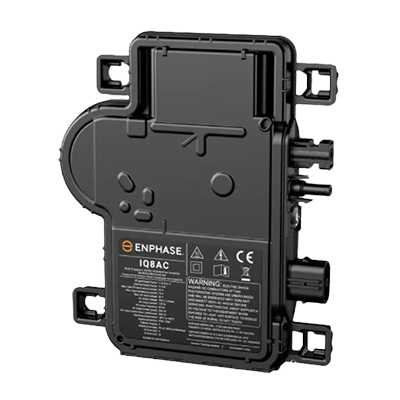
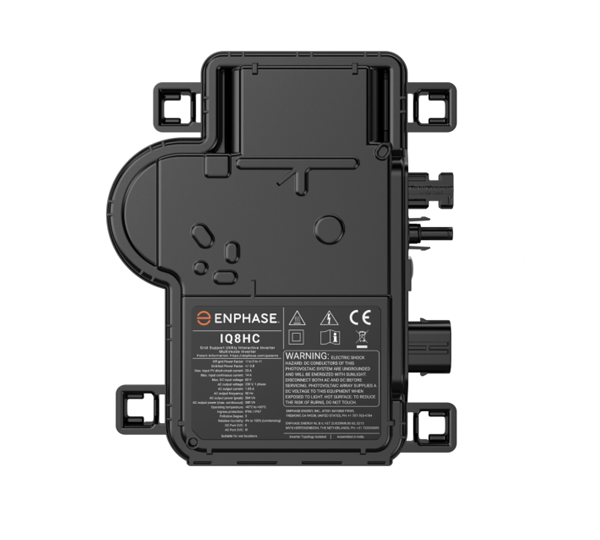
Microinverters: Compact inverters mounted directly on individual solar panels. Suitable for roofs with shading, east-west orientation, or small systems such as balcony power plants. Installation is more demanding, but it enables the performance of individual panels to be maximized.
Selecting the right inverter – overview of the main criteria
Choosing the right inverter depends on several technical and system-related factors:
String lengths, input voltage, MPPT inputs: Not every inverter can handle arbitrary string lengths—especially asymmetric ones. Strings must be distributed across MPPT inputs and match the appropriate voltage range.
Battery compatibility: The inverter and battery must be compatible—which is not a given. Our storage overview can help provide guidance.
Application and grid connection: Do grid limitations need to be observed (e.g. the 70% rule)? What should the main use case be? Which devices must the inverter communicate with?
Communication interfaces: Data transmission via Wi-Fi, LAN, Modbus, RS485? Compatible with a Smart Meter Gateway?
An experienced wholesaler helps align technical requirements with economic possibilities.
Standards and future readiness
Requirements for inverters are constantly increasing. Important topics include:
Standards such as DIN VDE 0126-1-1, VDE-AR-N 4105, or 4110
Grid compatibility and feed-in control
Expandability for dynamic tariffs (e.g. smart metering, variable electricity prices)
Load management—important for larger systems and smart homes
A future-oriented inverter should offer modern interfaces, firmware update support, and functions that support grid stability. These features are becoming increasingly important—for example, for obtaining subsidies or participating in electricity trading.
Overview of manufacturers and technologies
The inverter market is extensive, but not homogeneous. Krannich Solar offers a carefully selected portfolio of top brands with a clear technological focus:
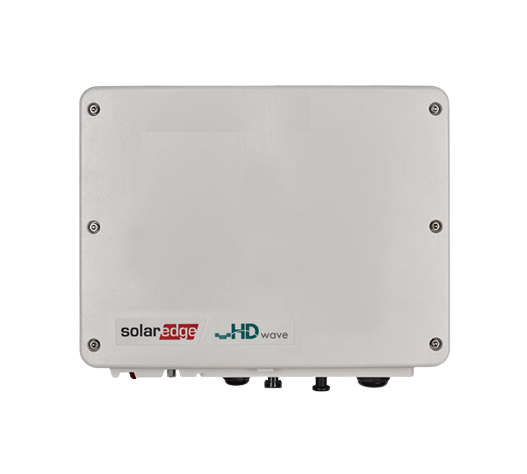
Inverters for batteries: Kaco, SMA, SolarEdge
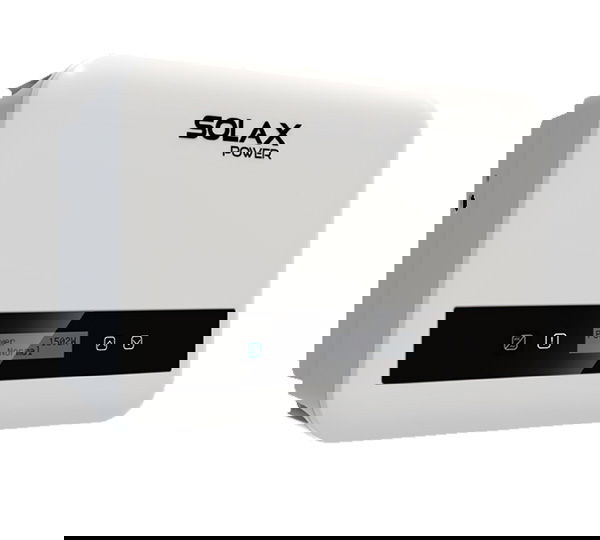
PV and hybrid inverters: from other proven manufacturers such as Solax, Goodwe, Huawei, and Sofar
We also offer: EMS systems, electricity meters, DC cables and connectors, communication accessories, grid disconnect devices, backup systems, sensors, and other components.
Brands: Solax, Sungrow, Sunwoda, Huawei, Solinteg, Fronius, Sofar, Goodwe, Pylontech, Axitec, Kaco, Fimmer, Kostal, SMA, RCT, SolarEdge
Often underestimated aspects
In addition to output and efficiency, other factors also play a role—factors that are not always visible in data sheets but can make installers’ work significantly easier:
Installation complexity: Device weight, wiring complexity, the need for training or certifications, the manufacturer’s technical support, and on-site structural conditions.
Service access & remote maintenance: Can the device be serviced locally as well as remotely? Many inverters support monitoring via an app or web interface.
Accessories & expandability: Additional meters, emergency power functions, UPS features, and compatible components can be decisive for system planning.
Selecting an inverter depends on many technical and economic factors.
Krannich Solar is a reliable partner for installation companies, system designers, and specialist resellers—we support product selection, system design, and logistics. We offer a clearly structured inverter portfolio for any requirement.